By Kathryn Blalock
I live with Bardet–Biedl syndrome (BBS), a rare genetic condition that has shaped my life in many ways. I was born with enlarged kidneys and extra fingers and toes, and began losing my vision when I was 4 years old. Today, I navigate the world with only a small pinhole of central vision. I can’t distinguish between colors easily, details are blurry, and navigating my environment is challenging. I have broken bones, spent time in hospitals, and learned to do life without sight.
Yet, as challenging as BBS is, it still hasn’t been the hardest part of my life. The biggest battle I’ve faced is Obsessive compulsive Disorder (OCD). This surprises many people. BBS affects every part of my physical world, but OCD tried to take over my inner world—and for years, it succeeded.
Even as a toddler, the signs were there—bedtime stories had to be read “just right,” and my toys had to be lined up perfectly. In middle school, contamination fears exploded. If someone accidentally brushed dirt or mud onto my backpack, I panicked, rushed home, and scrubbed everything before taking a shower. Losing vision amplified the fear because I couldn’t see what was around me, what I touched, or whether I was “clean enough.” I wasn’t fighting one disability—I was fighting two.
High school brought more accommodations—large-print books, magnifiers, a CCTV machine, and a rolling backpack. These tools helped, but they also made me feel different and exposed. Meanwhile, OCD kept growing stronger. I wiped down everything with Lysol or Clorox, showered multiple times per day, and often called my mom from school in tears because I felt contaminated and needed to go home immediately.
By the time I reached my dream school, Oklahoma State University, OCD was dominating every part of my life. My dorm room turned into a prison of compulsive cleaning. I missed classes, stayed stuck in rituals for hours, and lived in a constant state of fear. I left school heartbroken—not because of my blindness, but because OCD stole my independence.
Post-college, the spiral worsened. I isolated myself in my room, showered eight times per day, washed my hands until they bled, skipped meals, avoided taking medication, and refused to be in the kitchen with raw meat, eggs, or anything I worried might be contaminated. I monitored every move others made in the kitchen, terrified of cross-contamination. OCD dictated what I could touch, where I could go, and how I lived.
Eventually, I needed intensive treatment. It wasn’t magic; it was work—daily, painful, repetitive work. Exposure therapy meant doing the exact opposite of what OCD demanded: touching things that terrified me, cutting down showers, resisting sanitizer, cooking with raw chicken, leaving things imperfect, and staying in situations that made my skin crawl. I practiced feeling anxious without fixing it.
One of the biggest hurdles was my white cane. I had learned to use it years earlier but refused to take it out in public because it made me feel exposed. I remember one of the first times I carried it in a mall—crying, shaking, embarrassed, and holding it under my sweater because I didn’t want anyone to see. Therapists worked with me step by step: unzip the backpack, touch the cane, unfold it, hold it, walk with it, be seen with it. By the end of treatment, I was teaching clinicians how to use it. I realized something life-changing: my cane didn’t take independence away—it gave it back.
With months of intensive work, I overcame some of my biggest fears: feeling contaminated and resisting the urge to spray everything, staying in the same room where raw chicken or eggs were being prepared, and not showering after using the bathroom. The hardest win was finally accepting my vision loss and choosing to navigate the world confidently rather than hide from it.
Today, I still have BBS. I still have OCD. But they do not have me.
I fill my days with purpose—boxing, rowing, riding horses, babysitting, volunteering at church, and writing my story. The more meaningful moments I create, the less space OCD has to take over. I do my best to meet uncertainty with courage, not avoidance. Some days I win; some days I don’t. Both are okay.
My life isn’t perfect, but it’s full. I’m living proof that a medical condition can be severe and still not be the hardest part—and that the hardest part can get better. Recovery isn’t about eliminating fear; it’s about carrying it without letting it lead. With therapy, support, and practice, OCD gets quieter. You get louder.
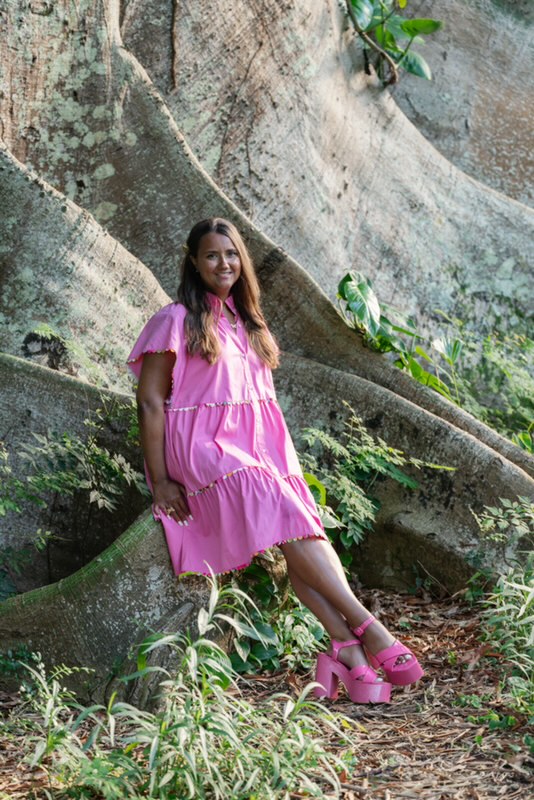
Kathryn Blalock is a 31-year-old disability warrior, BBS advocate, and OCD advocate from Oklahoma. Living with Bardet-Biedl Syndrome, she shares her personal experiences to reduce stigma and help others feel seen, supported, and less alone. Kathryn is actively involved in volunteer work with the Bardet-Biedl Syndrome Foundation and has previously contributed to the International OCD Foundation through blog posts and participating in guest panels. Passionate about equestrian therapy, boxing, and rowing, she embraces these activities as meaningful outlets that support her well‑being.
The post BBS & OCD: The Bigger Challenge No One Sees appeared first on International OCD Foundation.